Mare Was Pregnant Lost It Between 25 and 40 Days What to Do to Be Successful Breeding Her Again

For many women, monthly menstrual cycles are very anticipated, allowing them to easily track and know when to expect their monthly period. When they decide they desire to have a baby, a few simple calculations tin aid them effigy out the about fertile times to effort to conceive. The technique likewise works in reverse, and they tin gauge the all-time times to avoid intercourse if birth control isn't an pick.
While it'southward non possible to guarantee y'all tin pinpoint your nearly fertile days for conception every month, some real scientific discipline is behind the method used to summate a best guess. Whether you want to conceive — or add an extra layer of protection to your birth control method — start past using these tips to calculate when you could get pregnant.
Length of Your Menstrual Cycle
Your menstrual bike begins on the first day of your flow and is a critical component in determining when you can go pregnant. Most women take a 28-day cycle from the first 24-hour interval of one period to the first day of the adjacent, but it can vary. Some have cycles equally short equally 21 days, for example. Technically, your cycle is considered regular if you have your period at to the lowest degree every 24 to 38 days, but that degree of variation can brand estimating your fertility period challenging.
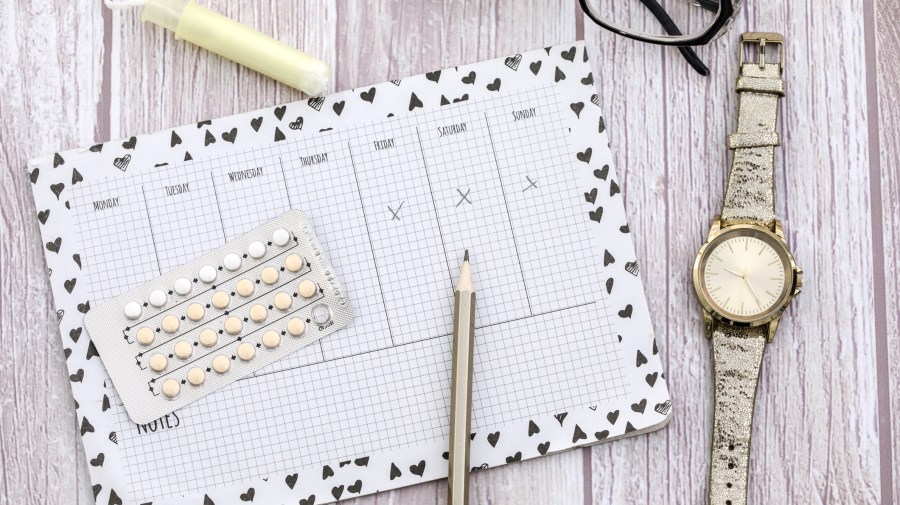
If you skip periods entirely or have bike lengths that fall outside the "regular" range or modify significantly from calendar month-to-calendar month, and so you take what is known every bit an irregular cycle. Unfortunately, that will brand it harder to pinpoint when yous are likely to ovulate. If yous are having difficulty conceiving and want to calculate the best gauge for when yous could become pregnant, you may take to track your periods for a few months to decide an average length or some sense of a blueprint for your cycle.
Tracking Your Ovulation
Ovulation occurs when one of the ovaries in your body releases an egg, a critical process for fertilization and pregnancy. The exact fourth dimension of ovulation is impossible to predict without tests, but it typically occurs most the middle of a standard 28-day bike. If the released egg isn't fertilized, then your period will get-go anywhere from 10 to sixteen days (on average) afterwards ovulation.

Calculating from the outset of your last menses, if you lot typically have a regular 28-day cycle, you are most likely to ovulate about fourteen days after your period starts. If yous typically take shorter periods with 21-day cycles, then you are likely to ovulate sooner and could potentially become meaning immediately after your flow.
Sperm from intercourse can live in a woman'southward body for as long as five days, but the egg only survives for upwardly to 24 hours after ovulation, which creates a express time for conception. Generally, the near fertile period extends from near three days before ovulation to well-nigh a twenty-four hour period after the egg is released.
Signs You Are Ovulating
Counting off days to gauge ovulation is a process that works well for women who accept regular menstrual cycles, but the process is much more challenging if their periods are irregular. For women who can't rely on predictability in their monthly cycles, the frustration begins with trying to pinpoint when they volition have their menstruation and ends with calculating when they are likely to ovulate — all while knowing the estimates could end up existence meaningless if their menstruation falls at a dramatically different time than the previous calendar month.

Fortunately, other physical signs of ovulation are oftentimes present to help you pinpoint when your body is preparing to release an egg. Vaginal discharge or mucus effectually this fourth dimension is thinner, clearer and more slippery to help sperm move more efficiently through the reproductive tract. You lot may experience cramping on 1 side around the time you ovulate, but this is non true for every woman.
Your basal temperature — body temperature when you lot outset wake up but before you exit of bed and start moving around — may be slightly elevated around the time of ovulation. You may need to track this reading for a few months to confirm your design. Over-the-counter ovulation predictors have likewise helped many women decide their estimated ovulation dates. If you lot're working with a doctor, he or she may test for LH (luteinizing hormone) levels, which start climbing about 36 hours before ovulation and peak at well-nigh 12 hours before.
When Y'all Don't Ovulate
Even women with the most consequent menstrual cycles can all of a sudden skip their period, which about likely means they didn't ovulate. The reason is unremarkably something unproblematic like experiencing higher than normal stress, but a missed menstruation could besides have a medical reason. The near obvious medical reason is pregnancy, and testing for it is quick and easy. Women who recently had babies and are still breastfeeding too don't usually ovulate — although they could, then nascency command is still important.

If you are nearing 50 years of age, you lot could be experiencing perimenopause symptoms, which include irregular ovulation and periods. Sure types of nascence control, such as intrauterine devices (IUDs), can also affect ovulation and periods, equally tin can low body weight, particularly depression torso weight related to an eating disorder like anorexia nervosa. Serious medical weather condition are less likely but possible and could include polycystic ovary syndrome, pelvic inflammatory illness and premature ovarian failure.
Planning for Conception
If conception is not your goal, it's important to remember that sperm can live within the female person reproductive organs for upwards to 5 days — some experts say it's closer to 7 — which makes birth control important at all times, even when you're on your period. This is particularly true for women with 21-mean solar day or irregular menstrual cycles, only all women should exist aware of the possibility of ovulation at an unexpected time.
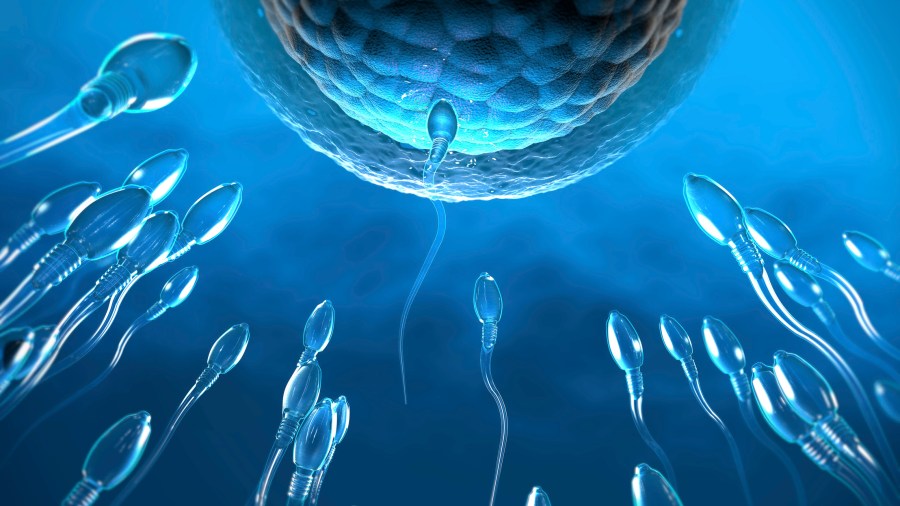
If conception is your goal, you lot can try to increase your chance of conception in a few ways. Frequent intercourse is an obvious simple reply but not always practical for various reasons. Studies have shown no difference in pregnancy rates for couples who had sex every twenty-four hour period versus every other day, and every other day is more than natural and relaxed for most couples, which tin be benign at a time when stress tin impede the process.
Effort to relax and permit go of whatever stress, particularly related to conception. A woman who stresses or worries also much may accept an irregular cycle, which can disrupt ovulation and fertility. After having intercourse, stay in bed for at least 15 minutes later on to relax and increment the take chances of fertilizing the egg. Also, before yous brainstorm trying to conceive, have a preconception checkup and physical to make sure your body is salubrious and prepared for pregnancy.
Pre-Pregnancy Habits and Your Health
Practicing good for you pre-pregnancy habits will increase your chance of enjoying a healthy pregnancy and a healthy infant. If yous accept bad health habits, the fourth dimension to modify them is earlier yous conceive. Quit smoking and completely quit or curtail drinking alcohol. Go plenty of exercise and endeavour to get your trunk mass alphabetize (BMI) in a normal range. Get-go taking a prenatal vitamin loaded with folic acid and discuss any supplements or medications you take with your md. If you have a medical condition, brand sure pregnancy won't exist a problem.

Conception Issues
If you have tracked your periods to predict your ovulation schedule and/or used an ovulation predictor and you have frequent intercourse, so information technology may be fourth dimension to speak to your OB/GYN if yous oasis't conceived. Both women and men tin be evaluated for fertility issues. If you or your partner is infertile, many treatments and other options are bachelor to help you expand your family.

Your doctor may refer you to a fertility specialist to discuss treatment options such as fertility drugs to increment egg or sperm product, surgery to repair damaged organs, artificial insemination and other forms of assisted reproduction. You may also desire to discuss not-medical options like adoption.
Sources:
https://www.womenshealth.gov/menstrual-cycle/your-menstrual-cycl
https://www.mayoclinic.org/healthy-lifestyle/womens-health/in-depth/menstrual-bike/art-20047186
https://www.nhs.uk/weather condition/periods/fertility-in-the-menstrual-cycle/
https://world wide web.womenshealth.gov/pregnancy/y'all-get-pregnant/trying-conceive
https://www.womenshealth.gov/pregnancy/you-get-pregnant/preconception-health

Source: https://www.reference.com/world-view/many-days-after-period-can-pregnant-92e9f99764696faa?utm_content=params%3Ao%3D740005%26ad%3DdirN%26qo%3DserpIndex
0 Response to "Mare Was Pregnant Lost It Between 25 and 40 Days What to Do to Be Successful Breeding Her Again"
Post a Comment